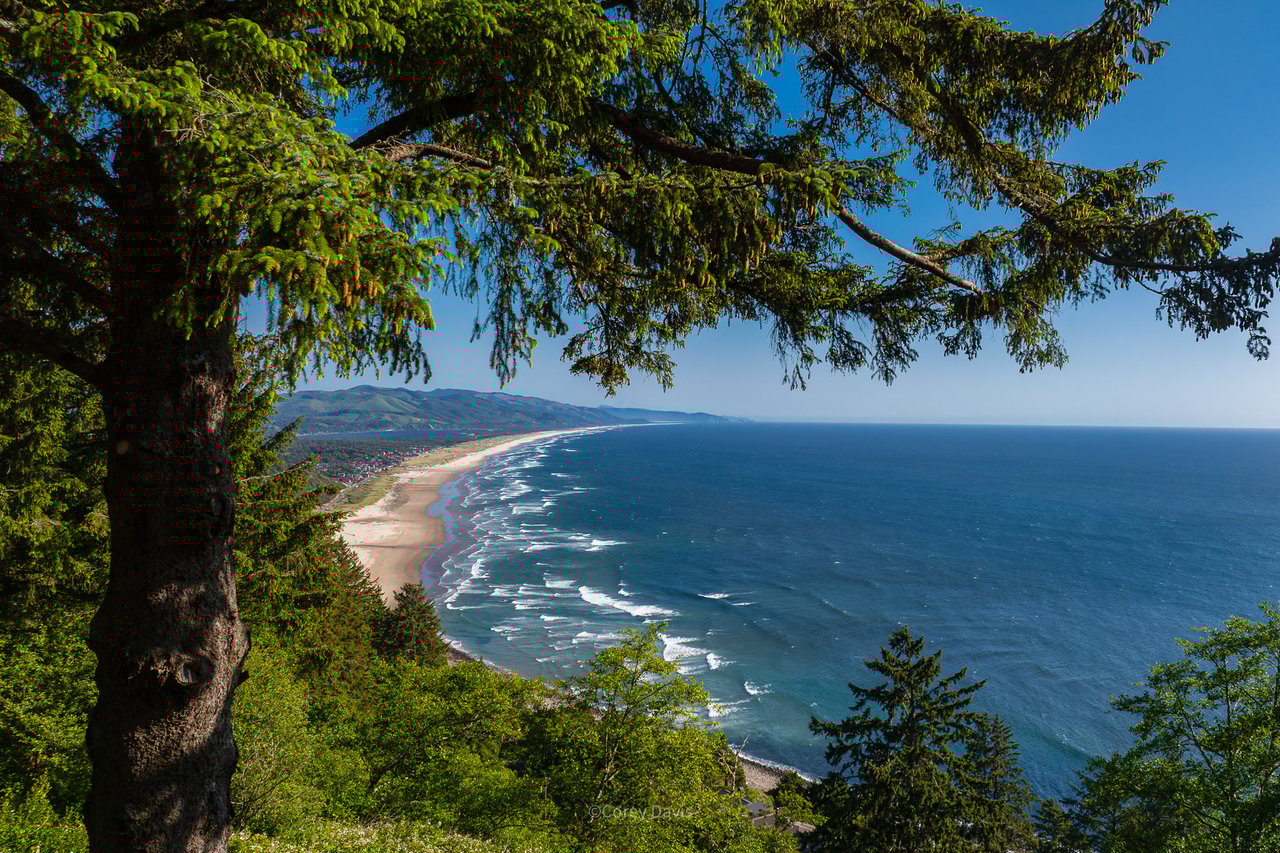
You know you want the Neahkahnie views, but which setting actually fits your life: oceanfront, ocean‑view, or bay view? Each delivers a different daily rhythm, maintenance profile, and long‑term value story. If you are early in your search, a clear side‑by‑side look can save you time and help you set smart expectations. This guide breaks down how each option lives, what it costs to maintain, how insurers and regulators view risk, and how to compare prices with confidence. Let’s dive in.
What these terms mean locally
Whether you're weighing Manzanita homes for sale or Neahkahnie homes for sale, the distinction between these settings shapes both price and daily life.
In Neahkahnie, Manzanita, and Nehalem, these words describe real physical differences shaped by cliffs, beaches, and the bay.
- Oceanfront means direct, unobstructed frontage on the Pacific or immediate beach access from the lot. In this area, oceanfront can be cliff‑top along Neahkahnie Mountain or beach‑level near Manzanita.
- Ocean‑view means you see the ocean but are not on the shoreline. You might be uphill, across a road, or behind another parcel. Views range from panoramic to partial or even seasonal if vegetation grows.
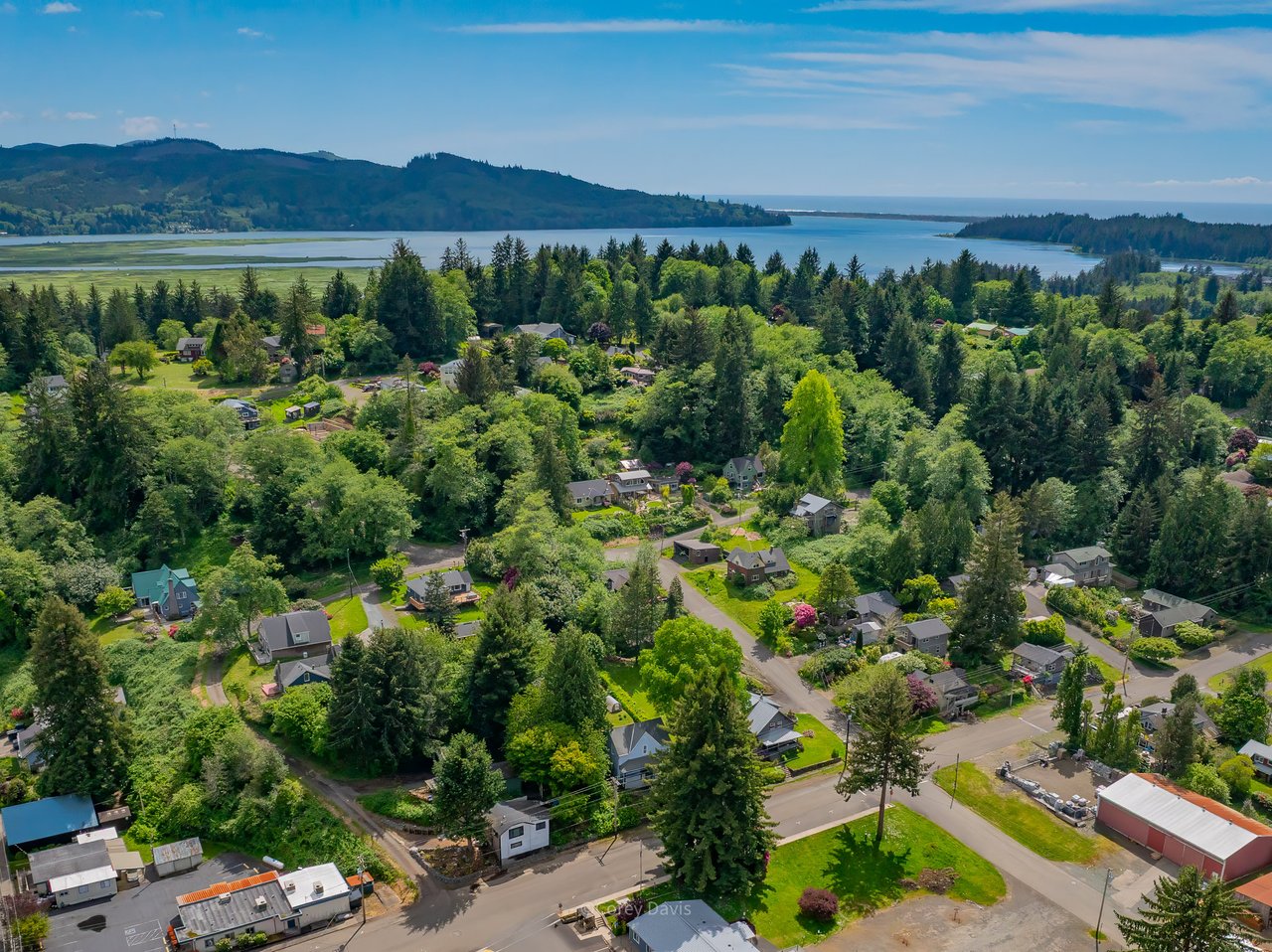
- Bay view These sites are generally more sheltered, with calmer water, views of boating and birdwatching. Some parcels overlook the pacific and the bay from higher ground.
Local micro‑markets matter. A bluff‑top oceanfront lot with erosion considerations is very different from a sandy, walk‑out beach parcel.
Lifestyle tradeoffs in Neahkahnie
Oceanfront: immersive and immediate
If you want the sound of waves and sunset views, oceanfront offers the most immersive coastal experience. Expect stronger onshore winds, salt spray, and quickly changing weather. Walking the beach is easy, and surf access is at your doorstep. Near public access points, seasonal foot traffic can be higher, which affects privacy.
Ocean‑view: vistas with a buffer
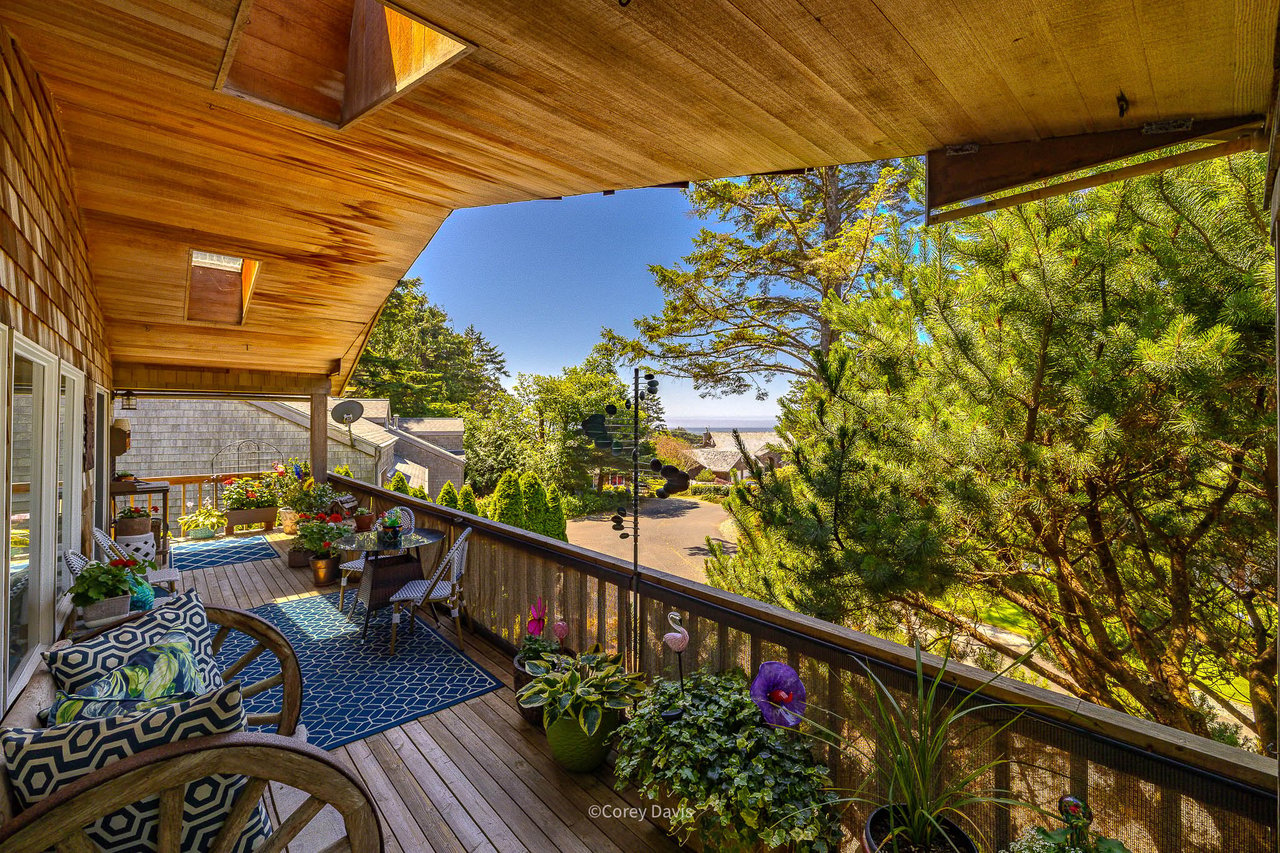
Ocean‑view homes often sit a bit higher or set back from the water, such as up in Vista del Mare or Neahkahnie Meadow. You keep the ocean outlook but usually experience less wind, spray, and noise than direct oceanfront. It is a quieter setting for many, with a short walk or drive to the beach. Views depend on elevation and can be impacted by vegetation or future construction, so view reliability is key.
Maintenance, risk, and ownership
Coastal hazards and site risk
- Flooding and storm surge. Oceanfront and low‑lying bayside parcels face the greatest potential exposure during major storms. Use FEMA flood maps and local base flood elevation data to understand the site’s flood zone. Even outside mapped zones, coastal flooding can occur in severe events.
- Erosion and bluff stability. Bluff‑top oceanfront sites on the Oregon Coast can experience chronic erosion or occasional failures. Request hazard maps from the Oregon Department of Geology and Mineral Industries and seek site‑specific geotechnical input for suspect locations.
- Sea level rise. Risk profiles differ between open coast and estuary. NOAA tools and state assessments can help you evaluate long‑term exposure.
- Soils and liquefaction. Certain coastal soils require special attention. Review geological maps and consider geotechnical reports as part of due diligence.
Insurance and permits in Tillamook County
- Flood insurance. Properties in FEMA Special Flood Hazard Areas typically require flood coverage when financed. Premiums depend on zone, elevation, and construction. Some buyers choose voluntary coverage even outside mapped zones.
- Coastal policy terms. Insurers may price wind and storm exposure differently or exclude certain perils. Confirm insurability and premiums early.
- Local rules. Oregon’s coastal management framework and Tillamook County planning set setbacks and regulate shoreline alterations. Seawalls and bulkheads are often limited or discouraged because of ecological and long‑term performance concerns.
- Public access and easements. Oregon broadly supports public beach access. Verify whether a parcel includes or is subject to access easements, rights of way, or coastal public trust rights.
Building and systems that last
- Materials and corrosion. Salt air accelerates rust and wear on fasteners, railings, HVAC components, and exterior fixtures. Stainless hardware, marine‑grade coatings, and thoughtful HVAC placement pay off.
- Roofing, windows, and decks. Expect more frequent inspections and replacement cycles near the ocean. Impact on lifespan is typically highest on oceanfront, moderate on elevated ocean‑view, and variable bayside.
- Moisture management. Good ventilation, dehumidification, flashing, and drainage are essential to prevent mold and mildew.
- Foundations and access. Bluff or tidal conditions may call for specialized foundations, piers, or pilings. Road access and driveways can be shaped by soils and weather exposure.
- Sewer vs septic. Many coastal properties use septic. Confirm system age, permits, and maintenance records with the county.
Value and pricing dynamics
What typically costs more
- Oceanfront usually commands the highest price due to scarcity and direct access.
- Ocean‑view carries a premium over non‑water properties, with pricing closely tied to view quality and stability.
What shifts value in Neahkahnie and nearby
- View quality and reliability. Permanent panoramic views price higher than partial or seasonal views.
- Access. Private beach access or proximity to public access change demand.
- Buildable area and utilities. Lot size, setbacks, septic feasibility, and parking all matter.
- Risk profile. Erosion, flood zone, and regulatory setbacks can limit usable area and raise future costs.
- Condition and design. A well‑built oceanfront home often outperforms ocean view land, and the reverse can be true depending on the asset.
- Seasonality and buyer mix. Vacation demand and insurance or lending shifts can move the market.
How to benchmark prices locally
- Pull recent sold comparisons from the local MLS within the past 6 to 12 months, filtered by oceanfront, and water view tags. Draw tight map polygons that match shoreline segments and elevations.
- Compare price per square foot for homes and lineal waterfront footage for land. Be careful with small sample sizes and unique trophy properties.
- Cross‑check parcel size, tax history, and improvements with the Tillamook County Assessor. For a quick snapshot, you can review national portals for trends, then validate with local MLS and county records.
- Watch how hazard designations and setbacks influence pricing. Safer or more stable parcels can show outsized premiums that are not obvious in broad medians.
Buyer checklist for any waterfront
Use this as a first‑pass filter before you fall in love with a view.
- Confirm if the property is oceanfront, ocean‑view, or bayside. Measure distance to water and identify any barriers to access.
- Check the FEMA flood zone and base flood elevation. Ask for elevation certificates if available.
- Review DOGAMI or county hazard maps. For bluff‑top or erosion‑suspect sites, plan for a geotechnical report.
- Verify shoreline rights and public access easements. Understand Oregon’s public beach access framework as it applies locally.
- Determine sewer vs septic and gather permits, inspection dates, and maintenance records.
- Confirm utilities: water source, electric reliability, internet and cellular options.
- Get preliminary quotes for homeowners, wind, and flood insurance. Ask carriers about coastal exclusions.
- Review county planning rules on setbacks.
- Inspect structure and systems for coastal‑grade upgrades: roof age, foundation type, exterior cladding, windows, and HVAC.
- Confirm access and parking, including road easements and any beach access steps or shared pathways.
- Understand short‑term rental rules for the city or county, plus any HOA covenants.
- Consider resale factors like seasonal traffic, noise, and potential view obstructions from vegetation or future development.
Matching the choice to your goals
Choose oceanfront if you want immersive beach living and direct access, and you are comfortable with higher maintenance and a more intensive insurance review. Opt for ocean‑view if your top priority is a protected vista with less exposure, along with a quieter setting and a shorter walk or drive to the sand.
Whatever you choose, confirm your hazard profile, model your true carrying costs, and use tight local comps. A focused approach will help you balance lifestyle and long‑term value in Neahkahnie, Manzanita, and Nehalem.
Ready to compare specific properties or request a discreet preview of off‑market options? Connect with the local specialists at Home + Sea Realty for tailored guidance and to receive exclusive listings. Ready for a chat? Call Meadow Davis. Ready to browse current inventory? Explore Manzanita homes for sale and Neahkahnie homes for sale, then reach out for a discreet preview of off-market options.
FAQs
What is the difference between oceanfront, ocean‑view, and bayside in Neahkahnie?
- Oceanfront has direct Pacific frontage or immediate beach access, ocean‑view sees the ocean from a setback or elevation, and bayview faces more protected waters of Nehalem Bay.
How much more should I expect to pay for oceanfront versus ocean‑view?
- Oceanfront typically carries the highest premium due to rarity and access, but the exact difference depends on micro‑market, view quality, risk, and recent local comps.
Do I need flood insurance for coastal property in Tillamook County?
- If a home is in a FEMA Special Flood Hazard Area and you finance the purchase, flood insurance is usually required; some buyers obtain coverage voluntarily outside mapped zones.
Should I order a geotechnical report for a bluff‑top lot?
- Yes for bluff‑top or erosion‑suspect sites; a site‑specific geotechnical opinion helps evaluate stability, setbacks, and long‑term risk for lenders and insurers.
How do short‑term rental rules affect oceanfront, ocean‑view, or bayside choices?
- Local city and county regulations vary and can affect income potential, so confirm current rules and any HOA covenants for the specific address early in your process.
What maintenance costs are higher near the ocean?
- Expect more frequent exterior work, such as roof, deck, and paint cycles, plus corrosion‑resistant fixtures and HVAC service; oceanfront has the highest exposure, bayside varies by site.