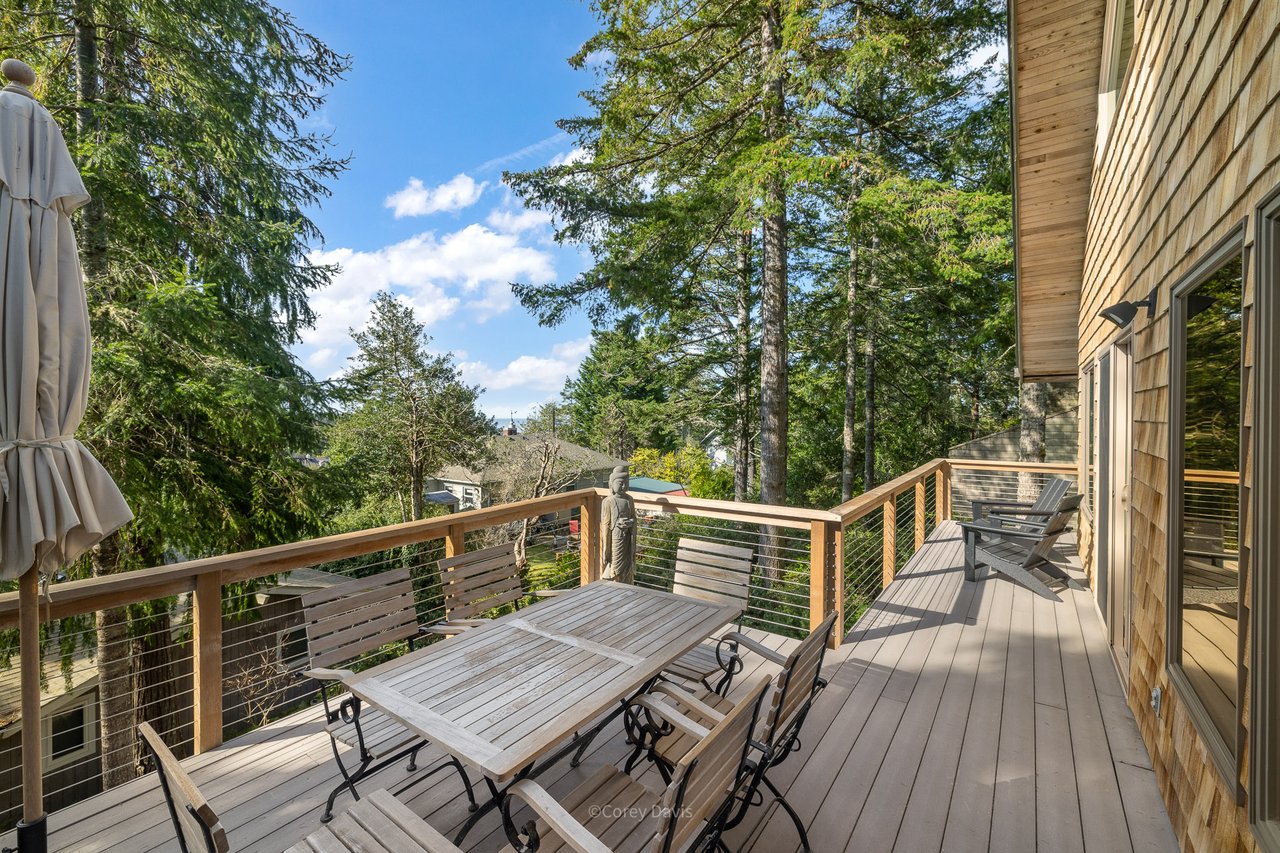
What if your weekend escape was less than two hours from Portland, yet felt a world away? If you are weighing a second home on Oregon’s North Coast, Manzanita offers that rare mix of long sandy beaches, forested headlands, and a calm, residential pace. In this guide, you’ll learn what daily life looks like by season, where to find essentials, how to plan for coastal risks, and the key ownership steps that make second-home living smooth. Let’s dive in.
Why Manzanita works for second homes
Location and access
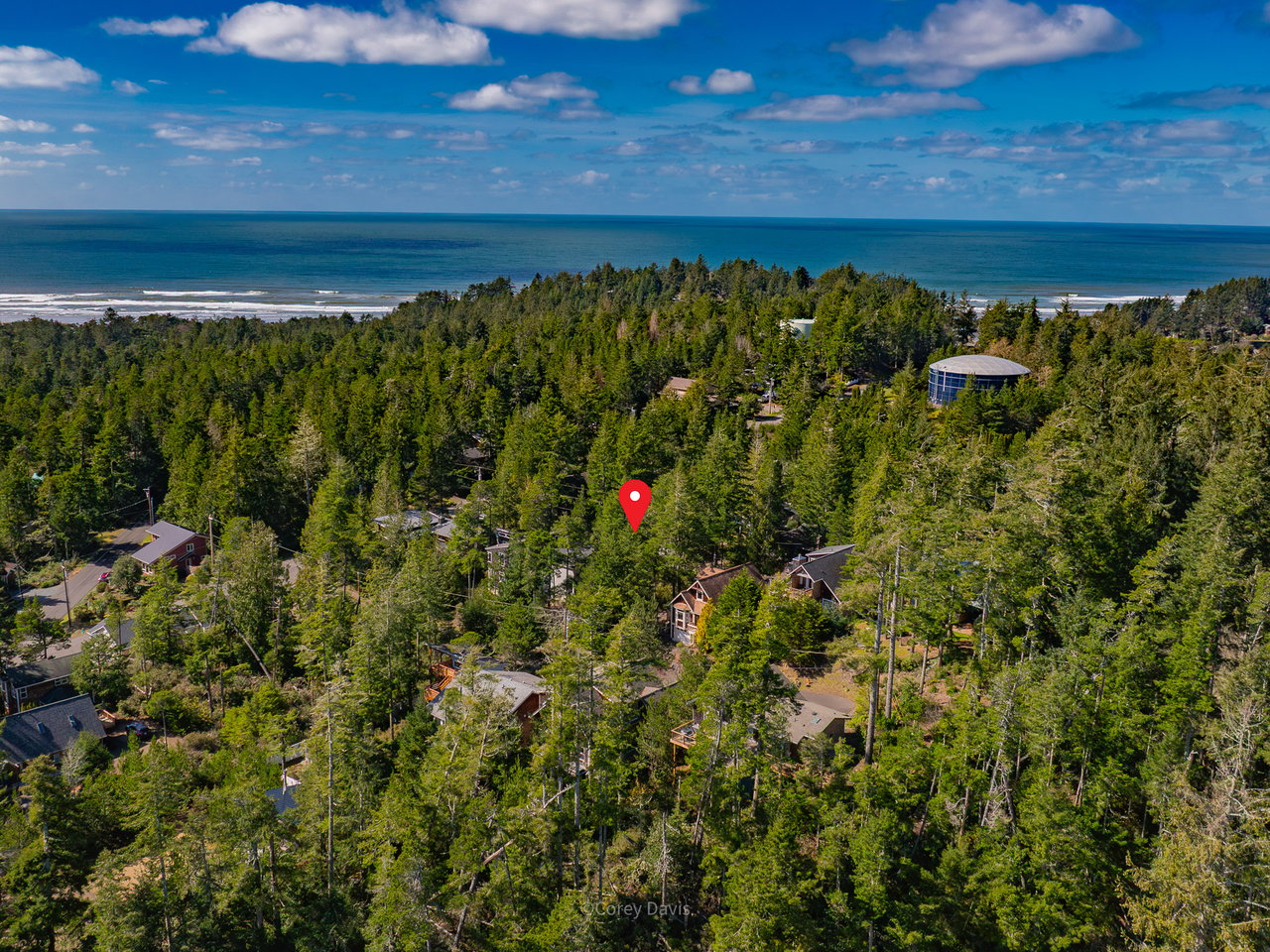
Manzanita sits along U.S. Highway 101 on the North Oregon Coast, tucked between Cannon Beach to the noth and the Nehalem and Rockaway area to the south. You can typically drive from the Portland metro in about 1.5 to 2 hours, depending on your start point and route.
Scale and pace
Manzanita is small and low density with a compact commercial core. Many homes are second residences, which means summers feel lively while shoulder seasons are relaxed and quiet. The vibe is nature-forward and low-key compared with larger, more tourist-oriented towns.
Seasons at a glance
- Summer: Peak visitor energy, full business hours, easy beach and trail access.
- Shoulder seasons: Pleasant weather windows, lighter crowds, many services still open.
- Winter: Quiet, dramatic surf, and stormy weather. Great for storm watching with the right prep.
Getting there and getting settled
Access and winter travel
Travel is straightforward on Highway 101, but winter storms can briefly affect roads and power. If you visit in the off-season, plan your arrival around forecast windows and consider backup lighting and heat at the house.
Connectivity and utilities
Cell coverage and wired broadband can vary by carrier and exact location. Some homes use DSL or fixed wireless, and satellite is an option where terrestrial service is limited. Many properties rely on a mix of electric heat, heat pumps, propane, or wood heat, so plan fuel logistics for seasonal stays.
Daily life in town
Morning rituals
Most days start simple: coffee, then a beach walk or a hike on nearby trails like the Neahkahnie area. On clear mornings, you can log miles of uninterrupted sand. When clouds roll in, forested paths offer shelter and views.
Midday errands and care
You will find smaller local markets for essentials. For bigger grocery runs or specialty items, many owners drive to larger towns such as Tillamook. For health needs, small clinics are nearby, while hospital-level care is in larger towns or the Portland metro, so it helps to know the closest urgent care hours.
Evenings and community
Evenings skew simple and outdoorsy. Sunset walks are a staple, and community events pop up more in summer. In winter, you may have long stretches of quiet that are ideal for reading, projects, and recharging.
Outdoor highlights
Beach basics and safety
Manzanita’s long sandy beach is the heart of life here. Beachcombing, kite-flying, and long walks are everyday activities. Always respect posted guidance, since strong currents and sneaker waves can occur along the Oregon coast.
Trails and parks
You are minutes from Neahkahnie Mountain viewpoints and trail networks. Oswald West State Park offers forested trails and Short Sand Beach, and Nehalem Bay State Park supports kayaking, paddleboarding, camping, and birding. Day trips to scenic headlands round out the mix.
Wildlife and tides
Gray whale migration often peaks in late winter and spring, then again in fall. Clamming, crabbing, and fishing are popular when in season, and you must follow state licensing, seasons, and limits. Time your clamming to the tides and go prepared.
Seasonal living tips
Summer
- Book contractor visits early since schedules fill up.
- Plan weekday arrivals to avoid peak weekend traffic.
- Keep a beach gear bin ready for quick outings.
Shoulder seasons
- Enjoy quieter trails and town while most services stay open.
- Pack layers for shifting weather and fog.
- Schedule annual maintenance without the summer rush.
Winter
- Keep spare water, batteries, and lanterns for outages.
- Maintain fuel reserves for propane or wood heat if used.
- Use remote monitors for temperature and leaks when away.
Risk awareness and planning
Tsunami planning
Coastal communities map tsunami evacuation zones and routes. If your property is within a zone, post route reminders and build a simple go-bag. Practice the route so guests and family know it by heart.
Flood and erosion
Homes near the bay or low-lying areas may sit in FEMA flood zones, which can require separate flood insurance. Oceanfront and bluff properties face coastal erosion and sand movement, with setbacks enforced by local and state rules. Review maps and talk with city or county planning staff during due diligence.
Ownership logistics
Pre-purchase checklist
- Order a coastal-focused home inspection, including roof, drainage, and salt corrosion.
- Confirm permits for additions, decks, and outbuildings.
- Check tsunami and flood maps for the specific parcel.
- Assess year-round access and road maintenance.
- Ask lenders about appraisal requirements for coastal properties.
Post-purchase setup
- Establish a maintenance plan for cleaning, seasonal openings, and emergencies.
- Create winterize and unwinterize steps for HVAC, water heater, and plumbing.
- Set up utility accounts and keep key contacts handy.
- Install water leak and freeze sensors, remote thermostats, and security cameras as appropriate.
- Post evacuation information if the home is in a mapped hazard zone.
Winterization basics
- Inspect roof, flashing, and gutters for storm readiness.
- Seal and paint exposed wood, decks, and railings.
- Service heat systems and test backup heat sources.
- Secure outdoor furniture and check drainage paths.
Short-term rentals
Rules and permits
Short-term rentals are common along the coast, but rules vary by city and county and can change. Before you plan to rent, verify current City of Manzanita and Tillamook County requirements, including licensing, occupancy taxes, and any neighborhood covenants.
Operational realities
Community sentiment and enforcement can affect rental viability. Confirm allowable occupancy, parking requirements, and trash service. Build a plan for guest communications and emergency response if you do operate a rental.
Costs and insurance
Ongoing expenses
Budget for property taxes through Tillamook County. Oregon has no state sales tax, which helps with purchases. Add recurring items like utilities, septic pumping if applicable, propane refills, garbage service, and any HOA fees.
Coverage to consider
Coastal homes often need layered coverage: a homeowner’s policy, windstorm or hail coverage, and a separate flood policy if you are in a FEMA flood zone. Many owners also consider earthquake coverage and supplemental protection for coastal hazards. Premiums can be higher for oceanfront or bayfront homes.
Financing and offers
Lenders may apply different terms to second homes than to primary residences, and coastal appraisals can factor in flood or erosion risk. Cash purchases are common in second-home markets but not required. Work with a team familiar with Oregon coastal lending to set expectations early.
Manzanita vs nearby towns
- Cannon Beach: busier and more tourism-focused with robust shopping and galleries. Manzanita is quieter with a more residential feel.
- Seaside and Gearhart: larger scale and more year-round commercial activity. Manzanita offers a smaller footprint and fewer crowds.
- Rockaway and Nehalem Bay: each has its own bay and beach dynamics. Manzanita stands out for its long, wide beach and easy access to forested headlands.
Work with a local guide
Buying a coastal second home is equal parts lifestyle decision and technical exercise. You want a partner who understands local regulations, seasonality, and the maintenance realities of salt, wind, and water, while also delivering a smooth, concierge-level process. Home + Sea is a boutique, founder-led brokerage rooted in Manzanita with proven performance, private listing access, and an in-house media stack that presents properties at their best.
If you are exploring a second home in Manzanita, let’s make your next step smart and simple. Connect with Home + Sea Realty to receive exclusive listings and thoughtful guidance tailored to how you want to live on the North Coast.
FAQs
How far is Manzanita from Portland for weekend use?
- Typical drive time is about 1.5 to 2 hours depending on your start point and route.
What is daily life like for second-home owners in Manzanita?
- Mornings often mean beach walks or nearby hikes, midday errands split between local markets and larger towns, and quiet evenings with sunsets or seasonal events.
What should I know about coastal risks before I buy?
- Review tsunami evacuation maps, confirm flood zone status, and ask about erosion or setback rules for oceanfront or bluff properties.
Are short-term rentals allowed in Manzanita?
- They can be, but you must verify current city and county rules, licensing, taxes, and any neighborhood covenants since regulations can change.
What maintenance is most important for a coastal second home?
- Focus on roof and siding inspections, deck and railing care, moisture control, septic upkeep, and storm preparation for wind-driven rain.
Is winter a good time to visit a Manzanita second home?
- Yes if you prepare, since winter brings quiet beaches and dramatic surf along with possible storms and power outages that require a readiness plan.